

Investing for Different Life Stages: Your 20s, 40s, and Retirement Years
August 8, 2026 4:45 am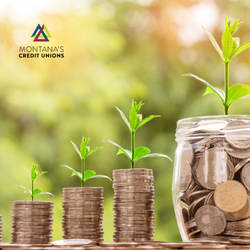 If investing were a road trip, your destination might stay the same, but the vehicle, route, and playlist would change dramatically along the way. Similarly, the investment strategy that makes sense to you at 25 is rarely the same one that works for you at 45 or 75. As life evolves, so should your portfolio.
The key to successful long-term investing is understanding that asset allocation (learn more about this and 14 other investment terms in last week’s blog) is not a “set it and forget it” decision. Your priorities, risk tolerance, and financial goals naturally shift over time, making it important to adjust your investment mix as retirement approaches.
Investing in Your 20s: Time Is Your Superpower
Your 20s are often filled with first jobs, student loan payments, and the occasional questionable financial decision. The good news? You have one major advantage that older investors would love to borrow: time.
Because retirement is likely decades away, younger investors can generally afford to take on more risk in pursuit of higher long-term growth. Stocks typically play a larger role in portfolios during this stage because they have historically provided stronger returns over extended periods.
This is also the ideal time to embrace the magic of compound growth. Even modest contributions to retirement accounts can grow substantially over 30 or 40 years. Starting early means your money has more opportunities to earn returns, and then earn returns on those returns, and then earn returns on those returns… You get the picture.
For investors in their 20s, priorities should include:
- Building an emergency fund (seriously, you need an emergency fund)
- Contributing to a 401(k) or IRA
- Focusing on growth-oriented investments
- Developing consistent saving habits
Think of your portfolio like a young sapling. It may look small today, but with time and care, it can grow into a sturdy financial oak tree.
Investing in Your 40s: Balancing Growth and Protection
By your 40s, life often becomes a balancing act. Between mortgage payments, career responsibilities, and possibly helping both children and aging parents, your financial plate may be fuller than your Thanksgiving plate.
At this stage, retirement is no longer a distant concept. It’s visible on the horizon, which means many investors begin refining their asset allocation. While growth remains important, preserving wealth starts becoming a greater consideration.
Many investors maintain significant stock exposure in their 40s but may gradually increase allocations to bonds and other income-focused investments. The goal is to continue building wealth while reducing some portfolio volatility.
During this stage, you’ll probably want to:
- Increase your retirement contributions
- Review and rebalance your investments regularly
- Pay down any high-interest debt
- Evaluate your long-term goals and retirement projections
Your 40s are also an excellent time to conduct a reality check. Are you saving enough? Is your portfolio aligned with your goals? Small adjustments now can have a meaningful impact later.
Think of this phase as upgrading from a speedboat to a more responsible pontoon with a roof. You’re still moving forward, but you’re paying closer attention to weather conditions along the way.
Investing in Retirement: Shifting to Income and Stability
Retirement changes the investing equation entirely. Instead of accumulating assets, many retirees begin drawing income from their portfolios.
This shift often calls for a more conservative asset allocation focused on preserving capital and generating income. Bonds, dividend-paying stocks, and other income-producing investments may play a larger role than they did during earlier decades.
People are living longer than ever, and many retirees need their savings to last 20, 30, or even more years. Maintaining some exposure to equities can help combat inflation and support long-term purchasing power. The key is always diversification.
Your investment strategies in retirement should include:
- Generating reliable income
- Managing withdrawal rates
- Reducing portfolio risk
- Protecting against inflation
- Preserving assets for future needs or heirs
A well-designed retirement portfolio should strike a balance between stability and growth. Being overly conservative can be just as risky as being overly aggressive if inflation gradually erodes your purchasing power.
The Bottom Line
Successful investing isn’t about finding a single perfect portfolio for life. It’s about adapting your strategy as your circumstances change. In your 20s, growth often takes center stage. In your 40s, the focus shifts toward balancing growth with protection. During retirement, income and preservation become increasingly important.
The key takeaway is simple: your asset allocation should evolve as retirement approaches. By regularly reviewing and adjusting your investment strategy, you can better align your portfolio with your goals at every stage of life and stay on track toward a more confident financial future.
Important Disclosure
This article is intended for educational and informational purposes only and should not be considered investment, tax, legal, or financial advice. Investing involves risk, including the possible loss of principal. Every individual’s financial situation, goals, and risk tolerance are different. Before making investment decisions, consider consulting with a qualified financial professional regarding your specific circumstances. Past performance does not guarantee future results.

Comments are closed here.